
Hit by soaring fuel prices, the aviation industry is mulling introduction of a "differential fuel surcharge" based on VAT rates in each state to partially offset losses suffered by the air carriers. "Airlines would not be able to survive if the cost of aviation turbine fuel (ATF) is so high and competition brings down the fares," V Thulasidas, chairman and managing director, Air India said.
Travel by Air India would cost Rs 300-550 more from June 3 following a hike in fuel surcharge in the wake of oil companies raising Air Turbine Fuel (ATF) prices by 18.5 per cent.

This surcharge is to be levied on high-end commercial and industrial consumers of Mumbai's suburbs.

For the Rs 599 offer, taxes and other fees and charges, barring fuel surcharge, would be additional, but the Rs 1,999 offer is all-inclusive

The other three airlines that have been probed in this matter are SpiceJet, GoAir and Air India
Travelling to foreign countries might become costlier with India's international carrier Air India and 40 other foreign airlines planning to levy a surcharge to offset increase in international prices of aviation fuel.

Jet Airways is imposing $50 surcharge on economy class fare on its Gulf flights.
Domestic fares on all sectors became costlier by Rs 200 from Friday with the hike in fuel surcharge, imposed by major airlines due to increase in jet fuel prices.

Ask rediffGURU and tax expert Mihir Tanna your income tax-related questions.

The airlines were penalised for 'concerted action in fixing and revising Fuel Surcharge (FSC) for transporting cargo.'
Low-cost no frill airline Air Deccan has made a marginal increase of Rs 200 in the fuel surcharge on all fares to all routes from Friday.
State-owned Indian (formerly Indian Airlines) on Wednesday said it has introduced a fuel surcharge of Rs 300 for travel on domestic sectors due to steep hike in aviation turbine fuel prices.
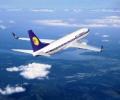
With jet fuel prices hiked by 2.5 per cent, Jet Airways on Friday increased fuel surcharge on its tickets by Rs 200 with effect from tomorrow, raising airfares.
With crude oil price crossing $100 per barrel mark, the airlines have begun to pass some of the cost on to the consumer to meet the increased air turbine fuel expenses, and asked the government to take steps to reduce the cost of aviation fuel.
From April 1 all domestic airlines except Air India have increased fee for cancellations and date change by Rs 200 to Rs 950.
An inquiry has been initiated by Directorate General of Central Excise Intelligence officials against these airlines.
Civil Aviation Minister Praful Patel said Indian airlines had suffered major losses in the past two years over the unprecedented rise in prices of aviation turbine fuel.
Eyeing a larger share of the passenger traffic pie, Malaysia Airlines has reduced the fuel surcharge by 53 per cent from Monday for flights to Kuala Lumpur from India. As a result of the reduction, the return airfare from India to Malaysia starts from Rs 16,528, including taxes, the carrier said in a statement.
Low-cost carriers SpiceJet and Indigo effected a cut last week, while Jet Airways and national carrier Air India followed this week. Industry sources said Kingfisher was evaluating a similar move from April.
The crude oil rally will impact prices of aviation turbine fuel, which forms 30 per cent of the operating cost for an airline. The company incurred a loss of $23.1 million during the October-December quarter of FY08. This was against a net profit of $9 million during the corresponding quarter of 2006-07.
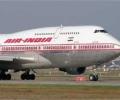
Tickets will be sold only through Air India website from August 27-31 and for travel during August 27-September 30.
Turning down Civil Aviation Minister Praful Patel's plea for a fare cut, full service carrier Kingfisher Airlines on Monday said that at present there was no case for reducing air fare.Other airlines like SpiceJet and IndiGo also said that after the recent round of cuts in fuel surcharge, customers should not expect further benefits in the short term, though there would be some advance purchase packages in January.
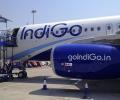
InterGlobe Aviation, the operator of India's leading airline IndiGo, delivered a better than expected performance across most parameters in Q2FY24. The company posted its fourth consecutive quarter of net profit of Rs 188 crore. It had reported a loss of Rs 1,583 crore in the same quarter a year ago.
Air travel is going to be dearer as major airlines have decided to raise the fares by at least 10 per cent besides increasing the fuel surcharge. The move by Air India, Jet Airways, Spicejet and Kingfisher comes in view of rise in prices of aviation turbine fuel by over nine per cent in line with the increase in international crude oil rates.
Indian Airlines on Tuesday announced a hike of Rs 200 on air fare with immediate effect on all international sectors and domestic routes leading to international destination in view of continuing trend of increase in fuel prices.
Air fares are set to go up again, with the government announcing an over 18 per cent average increase in the prices of aviation turbine fuel, effective Saturday midnight.
This will make buying tickets on airlines' websites cheaper as it will not include the transaction fee.
With declining jet fuel prices, Air India has once again taken the lead in introducing further cuts in its fares on key domestic routes, which may lead to another round of 'fare war' among domestic carriers, including the no-frill ones.
Major domestic airlines on Wednesday said they were considering imposing a fuel surcharge and hiking air fares following the announcement of a Rs 1,600/kl rise in jet fuel prices from midnight on Wednesday.
The increase in prices of jet fuel by about nine per cent would put an additional burden of Rs 550 crore (Rs 5.5 billion) on national carrier Indian and the airline has asked the government to consider levying a fuel surcharge on air travel or hiking
Air France on Thursday became the first international carrier to hike its fares from India by three euros, citing steep rise in aviation turbine fuel prices as the reason, which may also force Indian carriers to follow suit.
ATF for domestic carriers has become 11.22 per cent cheaper since October and is expected to see more price cuts in the next three months.
Air India, Jet Airways and Kingfisher Airlines have decided to stop the low-fare advance purchase schemes, saying the airfares would now be decided by the market. Some no-frill carriers will follow suit over the next few days. However, regular fares and the fuel surcharge are not being touched. Industry sources said the decision to withdraw lower-level fares was taken as these did not stimulate demand and also in anticipation of a spurt in demand for summer holiday travel.
The airline has now agreed to pay 3 per cent commission on gross fare (defined as basic fare plus fuel surcharge) of domestic and international tickets sold in India.
A day after withdrawal of low fares by some major airlines, Jet Airways and its low-cost subsidiary JetLite have introduced Rs 300 and Re 1 as basic fares respectively under 30-day advance purchase scheme.
